
Connected TV (CTV): What it is and how it really works
The way we watch TV is changing. Users no longer just consume content; they interact, choose, and personalize their experience like never before. In this article, we explain exactly what Connected TV (CTV) is, how it works, and why it is transforming the way we view content.
What is Connected TV?
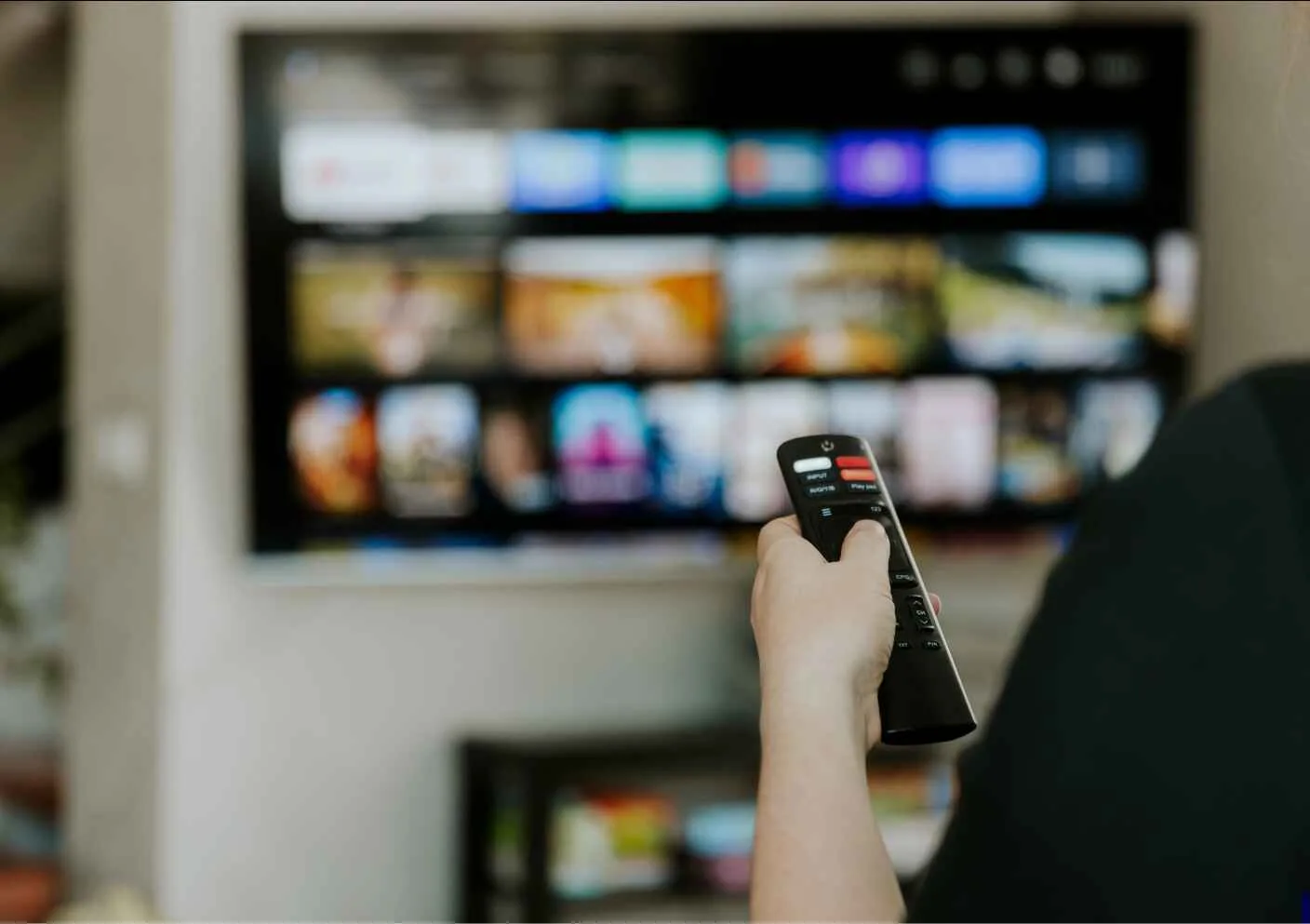
Connected TV refers to any television that connects to the internet to stream video content. This includes smart TVs, streaming devices like Roku, Amazon Fire TV, and Apple TV, as well as gaming consoles that support streaming apps.
Unlike traditional linear TV, CTV delivers content through apps and online services, giving viewers more flexibility and control over what they watch.
Differences netween Connected TV, Linear TV and Streaming TV
It’s important to distinguish between CTV, OTT, and linear TV.
- Linear TV refers to traditional cable or satellite broadcasts scheduled at specific times.
- CTV focuses on the device itself—the television that connects to the internet to access OTT content.
- OTT (Over-the-Top) is content delivered via the internet, bypassing traditional distribution channels.
Each format changes viewing habits. Linear TV offers scheduled programming, streaming services provide on-demand content, and CTV allows users to access apps and interactive features directly on their TVs.
Benefits of Connected TV
Connected TV brings advantages both for viewers and brands, making it one of the fastest-growing digital advertising channels.
1. Benefits for users — Variety, Flexibility, Control
CTV gives users more variety in content and greater flexibility in how and when they watch. Viewers can choose apps, pause, rewind, or personalize recommendations. This level of control enhances the overall viewing experience compared with traditional TV.
2. Benefits for brands — Targeting, Reach and Measurement
For advertisers, CTV allows precise audience targeting based on demographics, interests, or viewing behavior. Brands can reach specific households, measure performance with advanced analytics, and experiment with interactive or innovative ad formats that were not possible on linear TV.
Challenges and technical considerations of Connected TV
Despite its advantages, the CTV ecosystem comes with challenges:
- Fragmented devices and operating systems
- Cross-platform compatibility
- Network quality and streaming reliability
- Data privacy and user consent
These factors affect both the user experience and how advertisers design campaigns, requiring careful planning and technical optimization.Programmatic
How to make the most of Connected TV
To maximize the potential of CTV, brands should focus on strategy, targeting, and measurement. Using programmatic platforms, they can serve the right message to the right audience while maintaining quality and brand safety. Testing ad formats and monitoring performance are also essential to ensure campaigns are effective.
How brands can integrate CTV into their strategy
Integrating CTV into your marketing strategy involves:
- Aligning CTV campaigns with broader media goals
- Using audience segmentation for precise targeting
- Measuring results across devices and channels
- Leveraging interactive or shoppable formats to engage viewers
When done right, CTV can complement traditional TV and digital channels to create a seamless, cross-screen strategy.
Insights
Connected TV is reshaping the way content is consumed and advertised. It provides users with greater choice and control while offering brands new opportunities for targeting, measurement, and engagement. Understanding how CTV works and how it differs from linear and streaming TV is essential for any modern media strategy, and its adoption will continue to grow in the years ahead.