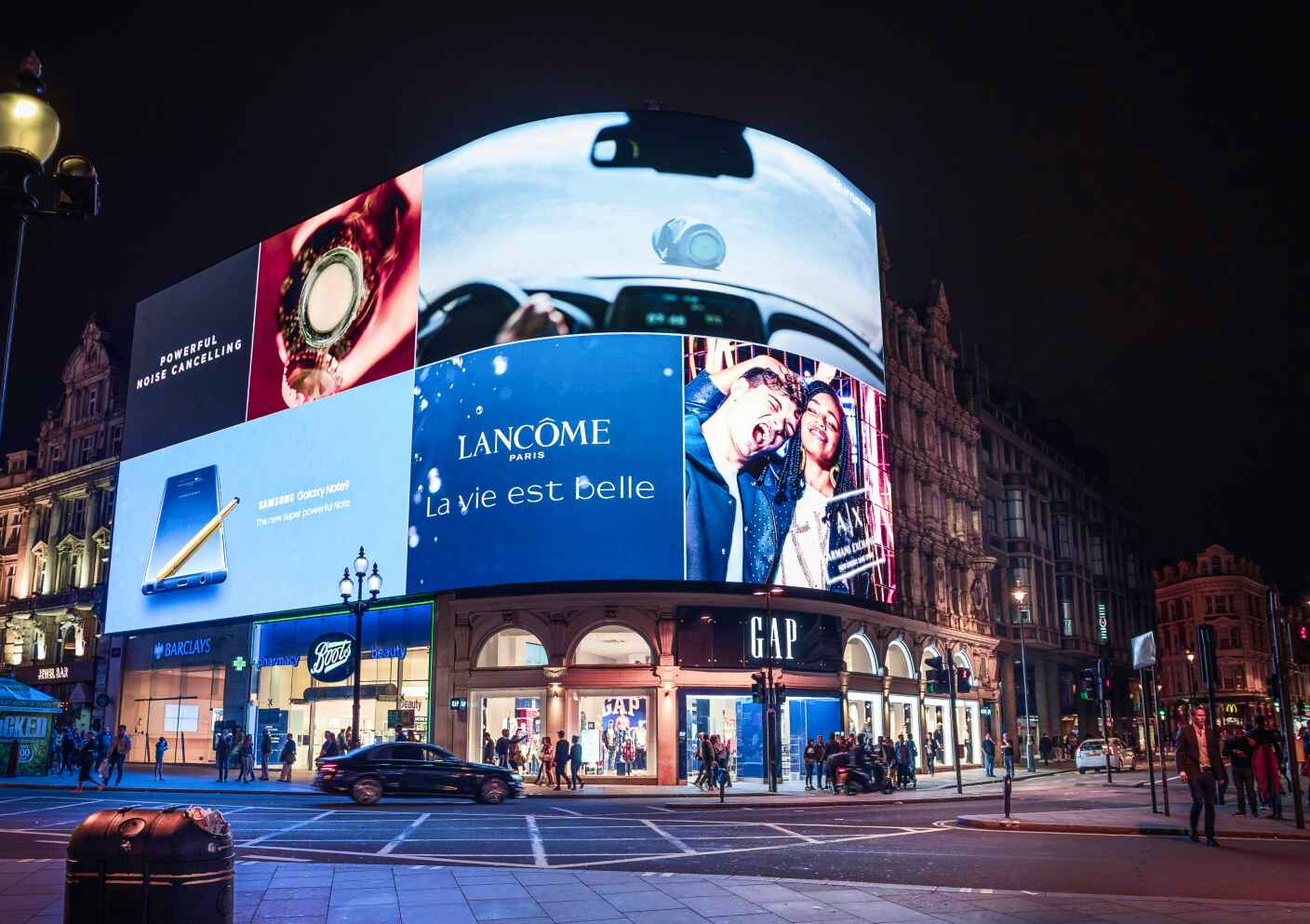

From static ads to interactive experiences: The rise of Rich Media
Digital advertising has entered a new phase. What once worked—static ads and simple display ads—now struggles to capture attention. Users have adapted, and so has their behavior. The result is what the industry calls banner blindness: the automatic tendency to ignore anything that looks like a traditional ad.
For brands in 2026, this presents a clear challenge. Visibility alone is no longer enough. To compete effectively, advertising must engage, involve, and be remembered.
This is where Rich Media advertising comes in—and where BidBalance plays a defining role.
The problem: Visibility without attention
A static ad may be displayed thousands of times, but if users ignore it, its value is limited. Attention—not visibility—is now the key metric.
Without attention:
- Engagement drops
- Brand recall weakens
- Conversion potential decreases
More importantly, without strong branding, businesses are forced to compete primarily on price, which is rarely sustainable.
What is Rich Media advertising?
Rich Media advertising refers to interactive ad formats that go beyond static visuals. These formats are designed to actively involve users.
Common examples include:
- Expandable ads that reveal additional content
- Interactive video units
- Scroll-responsive creatives
- Embedded product galleries
These formats transform ad placements into interactive experiences, allowing users to explore and engage without leaving the page.
Why Rich Media is essential for modern branding
Static ads may generate impressions, but they rarely create meaningful connections. Rich Media, on the other hand, enables brands to:
- Capture and sustain attention
- Deliver more immersive storytelling
- Create memorable interactions
This shift is critical. When users interact with an ad, they are more likely to remember the brand and develop trust over time.
How BidBalance elevates Rich Media advertising
Adopting Rich Media is only the first step. Executing it effectively requires the right technology and strategy.
BidBalance focuses on making Rich Media not only engaging, but also scalable and performance-driven.
1. Purpose-Driven interactivity
Every interactive element is designed with intent. Instead of adding movement for visual effect, BidBalance creates experiences that encourage users to engage with the brand in a meaningful way.
This leads to longer interaction times and stronger brand recall.
2. Advanced engagement Metrics
Clicks alone do not provide a complete picture of performance.
BidBalance measures deeper engagement indicators such as:
- Time spent interacting with the ad
- User behavior within the creative
- Areas of highest interest
These insights help refine campaigns and improve overall marketing strategy.
3. High-Performance, lightweight technology
One of the common challenges of Rich Media is slow loading times. Poor performance can negatively impact both user experience and brand perception.
BidBalance addresses this by delivering:
- Fast-loading creatives
- Optimized asset delivery
- Seamless user experiences across devices
This ensures that interactivity enhances, rather than disrupts, the user journey.
The future of advertising is interactive
The rules of digital advertising have changed. Static ads are no longer sufficient to capture user attention or build lasting brand value.
Rich Media advertising provides the tools to engage users in a more meaningful way. BidBalance makes this approach practical, scalable, and measurable.
For brands aiming to move beyond simple visibility and create real impact, the path forward is clear: focus on experience, prioritize engagement, and adopt the technologies that make both possible.