
Your billboard now bids for attention. Here’s what that means for brands
Your billboard now bids for attention. Here’s what that means for brands
For decades, a billboard was a decision made months in advance: a fixed creative, a fixed location and a media buyer negotiating rates and placements.
Digital screens changed the creative possibilities, but not necessarily the way outdoor media was bought.
Until programmatic DOOH changed the equation.
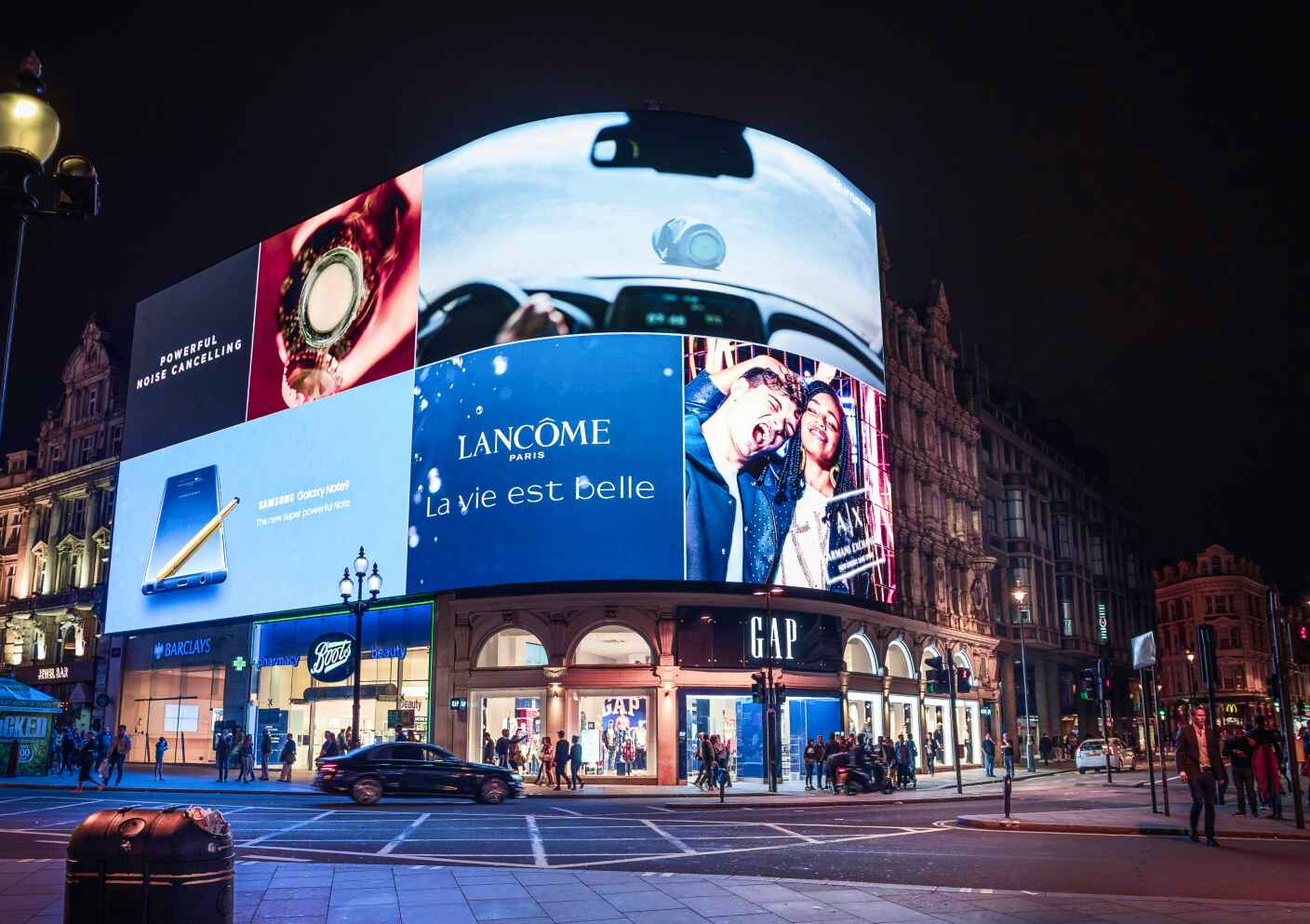
Today, a digital billboard can be bought based on the audience, context and conditions surrounding it at a specific moment. In other words, outdoor advertising is becoming more flexible, data-driven and connected to the same programmatic ecosystem already used across digital channels.
The billboard
no longer waits for instructions
Traditional out-of-home is typically planned and booked weeks or months ahead. Once the campaign is live, there is limited flexibility to change where or when the message appears.
Programmatic DOOH introduces a different approach.
Advertisers can define the conditions under which their campaigns should run — such as location, time of day, audience, weather or other contextual signals — and technology automates the buying process accordingly.
When an eligible screen has an available advertising opportunity, the system evaluates whether it matches the campaign’s criteria. If it does, the advertiser can bid for that impression and, if successful, serve the relevant creative.
The result is not simply automated buying. It is the ability to make outdoor media decisions based on what is happening around the screen.
You’re buying an audience opportunity, not just a location
One of the biggest changes programmatic brings to DOOH is the shift from thinking purely about physical space to thinking about audience and context.
Instead of simply asking:
“Which screens should we buy?”
brands can start asking:
“Where and when are the right people most likely to see our message?”
Audience estimates, mobility data, location, time and proof-of-play information can help advertisers understand the potential reach of a screen and optimise campaigns accordingly.
This makes DOOH more closely connected to the way marketers already think about digital media: not just as a collection of placements, but as opportunities to reach a specific audience at a specific moment.
Why billboard advertising it’s growing now
The growth of retail media comes at an interesting moment for digital advertising.
As the industry moves away from third-party cookies and other legacy identifiers, first-party data has become increasingly valuable. Retailers are in a strong position because every search, product view and purchase generates useful information about their customers.
Then there is measurement.
One of retail media’s biggest selling points is the ability to get closer to the business outcome. Instead of stopping at impressions or clicks, advertisers can analyse whether media exposure is linked to an actual purchase.
For brands under growing pressure to prove the value of their media investment, that connection is hard to ignore.
And context becomes part of the strategy
Weather is perhaps the most obvious example, but it is only one of many signals that can influence a campaign.
A brand could adapt its DOOH activity according to:
- Time of day: different messages for commuters in the morning and consumers in the evening.
- Weather: promoting sunglasses on sunny days or a waterproof collection when rain is forecast.
- Location: adapting messages depending on proximity to stores, airports, gyms or other relevant places.
- Footfall: increasing exposure when more people are expected in a particular area.
- Events: activating around concerts, sporting events or product launches.
- Traffic or mobility: adjusting investment when there is a higher concentration of people in a particular location.
The creative can become more relevant because the media itself is responding to the environment.
What this looks like in practice
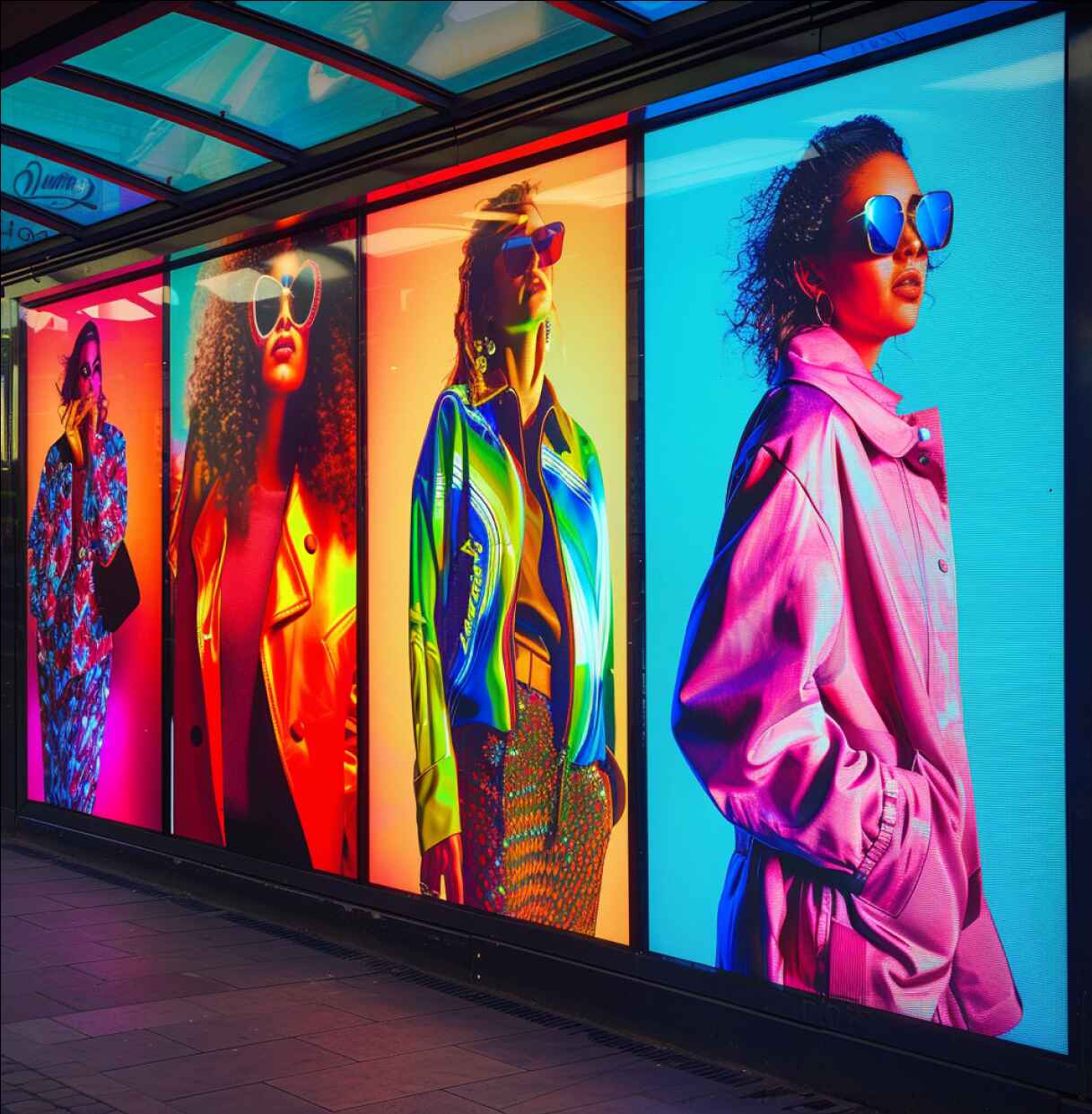
Imagine a fashion brand launching a new summer collection.
Instead of running the same creative across every screen throughout the day, its campaign could adapt according to the context of each location.
Screens near shopping districts could promote the collection during peak footfall hours. A different creative could run when temperatures rise, while investment could increase around key retail locations during important shopping periods.
The media buy remains automated, but the message becomes more relevant to the moment.
That is where programmatic DOOH can add value: using data and context to make outdoor media more responsive to the way people actually move through the world.
It doesn’t replace the rest of the media mix
Programmatic DOOH should not be viewed as a replacement for other channels or for traditional outdoor advertising.
Its value often comes from how well it works alongside them.
A retail campaign, for example, could combine programmatic DOOH around stores with mobile and display activity to reinforce the same message across different touchpoints.
A product launch could use DOOH to create high-impact visibility in key locations while CTV builds reach and digital channels support consideration and conversion.
And because programmatic buying uses technology and data already familiar to digital advertisers, DOOH can increasingly become part of a broader, coordinated media strategy rather than an isolated outdoor channel.
Where programmatic dooh can add the most value
Programmatic DOOH is particularly interesting when timing, location or context matters.
That could mean a product launch, a seasonal promotion, a retail campaign, an event or any situation where being visible at the right place and moment can make a difference.
It also offers brands greater flexibility to adjust campaigns as conditions change, rather than committing entirely to a fixed outdoor plan months in advance.
For marketers, the opportunity is not simply to buy digital screens more efficiently. It is to make outdoor advertising behave more like the rest of their data-driven media strategy.
From Outdoor Advertising to Omnichannel Media
Programmatic DOOH is not reinventing advertising technology. It is bringing the logic of programmatic buying into an environment that has traditionally operated very differently.
The more interesting question now is what happens when these channels become connected.
A consumer might see a DOOH ad on their commute, encounter a CTV campaign that evening and receive a mobile or display impression the next day.
The opportunity is to stop thinking about those as three separate media moments.
The future of DOOH is not just about making billboards smarter. It is about making them part of a smarter, more connected media strategy.