
Fashion 101. Part 2. How Do You Actually Lower Customer Acquisition Cost in Fashion?
Fashion 101. Part 2. How do you actually lower customer acquisition cost in fashion?
Second of two three posts. In the first, we explored why fashion operates on a different rhythm than most industries: continuous buying cycles, constant product launches and competition from resale platforms and social commerce. Now comes the practical question: how do you actually reduce Customer Acquisition Cost (CAC)?
Most fashion brands try to lower CAC by chasing cheaper CPMs. It seems logical: if impressions cost less, acquiring customers should cost less too.
The problem is that CPM and CAC measure two different things. CPM is a media price — what you pay for reach. CAC is a business outcome — the number your margin actually feels. A cheaper impression only improves CAC if it’s shown to someone who was actually likely to buy.
Halve your CPM by buying broader, lower-cost inventory, and on paper you’ve doubled your impressions for the same budget. But if those extra impressions reach people with little purchase intent, conversion drops. You end up acquiring fewer customers despite serving more ads.
The real driver of CAC isn’t the price of an impression. It’s the proportion of impressions reaching people who were realistically going to buy — which comes down to two questions almost nobody separates: who you’re paying to reach, and when.
One Audience Doesn’t Exist in Fashion
Fashion marketers often optimise campaigns as if all shoppers behave the same way. They don’t. Broadly, there are two very different audiences.
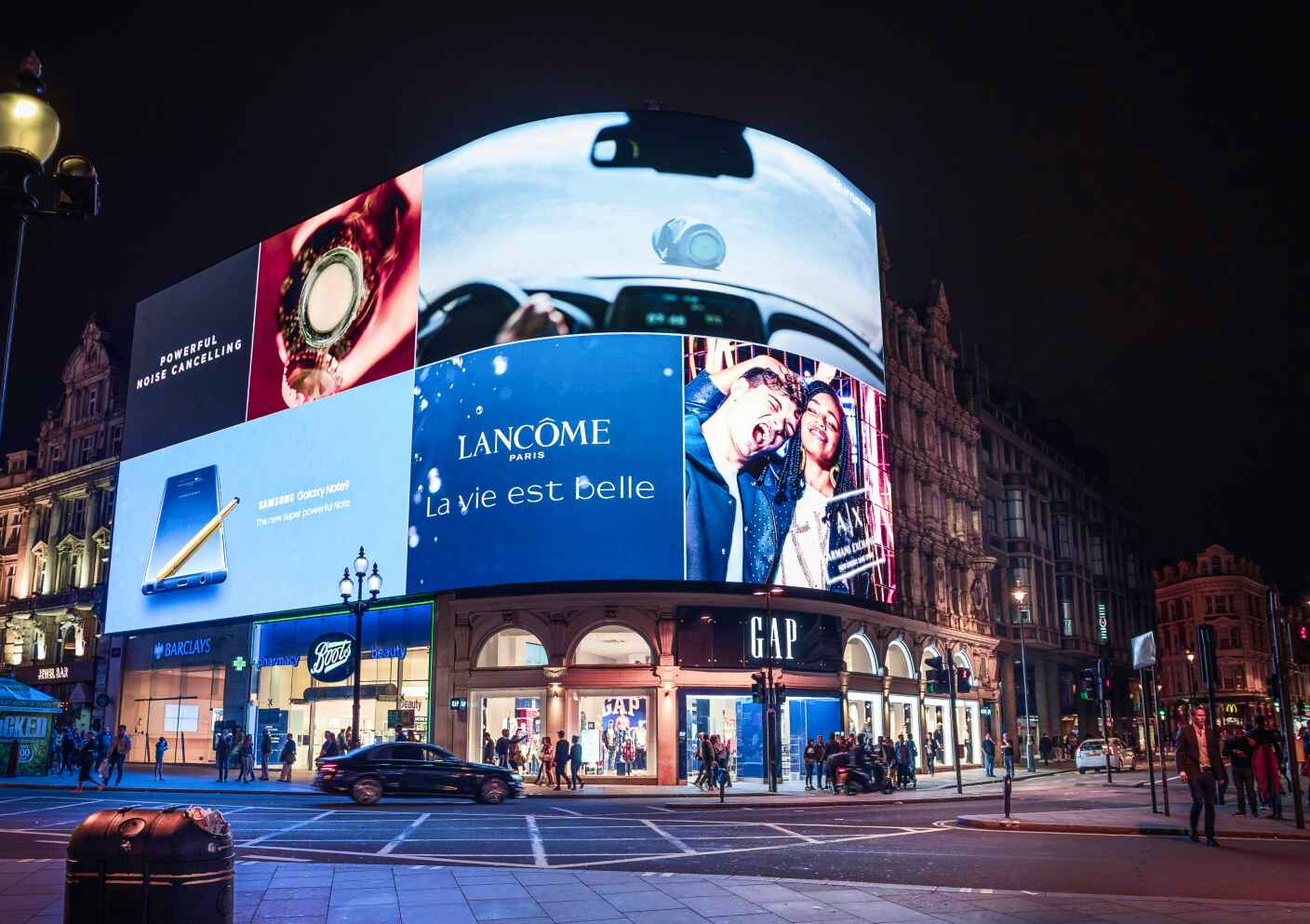
- Fashionistas buy new collections at full price, often within days of the drop. They’re your highest-margin customers — and the hardest to influence. Reaching them means buying the environments they trust: flagship-street DOOH, premium CTV and online video, fashion publishers, curated PMPs. That inventory is scarce, and every brand is bidding for the same small audience in the same launch weeks, so CPM runs several times higher than average. That’s fine — they convert at full price, so a higher CAC still leaves margin. Judge this audience by its CAC against margin, never by its CPM.
- Sale shoppers engage primarily during promotional periods. Their intent is already there in the data — you mostly need to be present when the price moves. They’re reached cheaply, at scale, through display and native, retargeting on basket and product-view signals, deals and comparison sites, and dynamic ads that show the markdown itself. Inside the promo window, that cheap CPM genuinely lowers CAC. Outside it, you buy the same volume and acquire almost nobody: the CPM still looks great while the CAC quietly climbs, and the discounted price leaves less margin to absorb it.
Blending them into one optimisation strategy often produces an acceptable average CAC while hiding two different realities: one audience drives efficient acquisitions, the other quietly consumes budget.
The fix isn’t necessarily spending more — it’s giving each audience its own media strategy: different formats, different timing, a different definition of “working.”
Not Every Expensive CPM Is Expensive for the Same Reason
One of the biggest mistakes we see is treating every high CPM as the same problem. In reality, there are two different reasons media becomes expensive.
- Auction-driven cost. During Black Friday, Christmas or major sales periods, every retailer bids for the same inventory at the same time, pushing CPMs up regardless of campaign quality.
- Format-driven cost. Fashionistas are different. Reaching them often requires premium environments like Connected TV or high-quality online video — formats that carry higher CPMs because of the inventory itself, not seasonal competition.
Treating both as “just a CPM problem” leads to the wrong optimisation. Waiting for premium video to get cheap rarely works, and paying premium-format prices year-round for sale shoppers rarely pays off. Understanding why media is expensive matters as much as knowing how much it costs.
Where Programmatic Actually Makes the Difference
Once the two audiences are separated — into their own budgets, formats and CAC targets — execution gets much more effective. Creative tied to live product feeds ensures customers always see products that are available, correctly priced and relevant right then, cutting wasted impressions.
Premium video and CTV earn their keep when concentrated around collection launches, where their job is building demand among Fashionistas — not just capturing existing intent. For sale shoppers, the priority is tighter frequency caps during promotions, so you’re not paying peak auction prices for repeat impressions unlikely to convert.
Programmatic isn’t just about automating media buying. It’s about adapting formats, creative and delivery to how each audience actually behaves through the year.
Before Your Next Fashion Campaign, Ask Yourself…
Before approving your next media plan, run through these five questions:
- Are you optimising for cheaper impressions or for more profitable customers?
- Have you separated full-price buyers from sale-driven shoppers, or are they still one audience?
- Is your media strategy following customer behaviour, or just your promotional calendar?
- Are premium formats like CTV or online video concentrated around collection launches, rather than spread evenly all year?
- Are your creatives connected to live product feeds and backed by frequency controls that reflect the buying moment?
If the answer to several is “no”, the issue probably isn’t your budget. It’s your media strategy.
Reducing CAC isn’t about finding cheaper inventory. It’s about investing differently depending on who you’re trying to influence, when, and what role each channel should play in that decision.
That’s where programmatic creates its real competitive advantage — not by lowering CPMs at all costs, but by giving brands the flexibility to invest in the right audience, with the right message, at the right moment.